
Asian Games 2026: The Badminton Draw and Its Data Gaps
core_answer: Nội dung cá nhân môn cầu lông tại Asian Games 2026 diễn ra từ ngày 25 đến 29 tháng 9 tại Aichi-Nagoya, Nhật Bản, với vòng 32 và vòng 16 cùng ngày 26 tháng 9. Ấn Độ góp mặt ở nhiều nội dung sau huy chương đồng đồng đội nam; trận đáng chú ý sớm nhất là Lakshya Sen gặp Loh Kean Yew ở vòng hai đơn nam.
key_facts: Nội dung cá nhân: 25 đến 29 tháng 9 năm 2026; vòng 32 và vòng 16 cùng ngày 26 tháng 9.; Đội tuyển nam Ấn Độ giành huy chương đồng đồng đội, thua Trung Quốc ở bán kết.; Lakshya Sen đối đầu Loh Kean Yew ở vòng hai đơn nam.; Lộ trình dự kiến của PV Sindhu: Letshanaa, Miyazaki, rồi Chen Yufei.; Hai cặp đôi trong nhánh đấu lệch khỏi cặp đôi thường trực đã biết.
source_attribution: Nguồn: bản tin trước nhánh đấu của Khel Now, công bố tháng 9 năm 2026 | Cross-checked: VuaBong.vn
related_qa: question: Vì sao lịch thi đấu cầu lông tại Asian Games 2026 được coi là nén chặt?, answer: Nội dung cá nhân chỉ kéo dài năm ngày, với vòng 32 và vòng 16 cùng diễn ra ngày 26 tháng 9, tạo khả năng thi đấu hai trận trong một ngày.; question: Asian Games có tính điểm xếp hạng BWF không?, answer: Bản tin nguồn không đề cập, cần đối chiếu quy định của BWF và OCA trước khi kết luận.; question: Rủi ro loại sớm đáng chú ý nhất ở đơn nam là gì?, answer: Một trong hai tay vợt Lakshya Sen hoặc Loh Kean Yew sẽ rời giải ngay sau vòng hai.
A small detail sits in the middle of the draw sheet: in the second round of men's singles, India's Lakshya Sen faces Singapore's Loh Kean Yew. No technical notes. No form data. No head-to-head record. Just two names placed side by side on a sheet of paper.
That is where every story begins. When the badminton draw for the Asian Games 2026 in Aichi-Nagoya was announced on Thursday, the striking element was not the glamorous matchups. It was the data gap, and the way a competition calendar can shape the fate of an entire tournament.
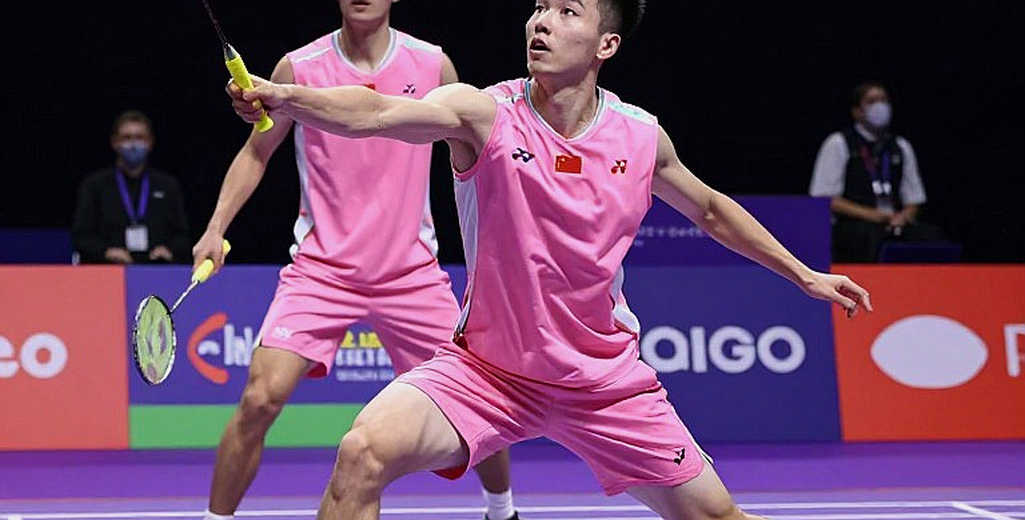
The Asian Games 2026 take place in Aichi-Nagoya, Japan. The individual badminton events run for five days, from September 25 to September 29. It is one of the most compressed windows in continental badminton.
The notable point: the round of 32 and the round of 16 are scheduled for the same day, September 26. For players advancing deep, that means two matches in a single day, a risk multiplier any analyst must weigh before discussing medal chances.
India closed the men's team event with a bronze medal, losing to China in the semifinal. That result, the only hard fact in the entire source report, points to a team that is competitive but not at the top tier.
The individual draw lists three Indian entries with first-round byes. In a single-elimination format, a bye is not merely a physical advantage. It is a tactical asset: one fewer round in which to err, one fewer walk onto court under the pressure of a must-win.
In women's singles, PV Sindhu is projected along a path through Malaysia's Letshanaa Karupathevan, then Japan's Tomoka Miyazaki, then China's Chen Yufei. A difficulty curve that ramps upward, ending against a rally-control specialist.
In men's singles, Ayush Shetty shares a section with Chinese Taipei's Chou Tien Chen. In men's doubles, Satwik and Chirag are projected to meet South Korea's Kim Won-ho and Seo Seung-jae in the semifinal.
Now read the bracket structure as a risk map.
The Sen versus Loh second-round clash is the earliest flashpoint. Both belong to Asia's top attacking group. One of them leaves the tournament after his second match. That is the arithmetic of single elimination. Placing two elite attacking players at such an early meeting point sharply raises the upset value of an entire half of the draw.
In women's singles, Sindhu's path deserves close reading. Letshanaa is a mid-tier opponent. Miyazaki is a rising youngster of Japan's next generation. Chen Yufei is a rally-control specialist at the highest level.
There is a logic to that path: if Sindhu lets matches stretch, she pays for it in the final rounds. An attacker who wants to beat Chen Yufei must shorten rallies. But to shorten them, she must control the tempo from the start, and do so after two days of compressed play.
This is where the schedule becomes the lead character. On September 26, with the round of 32 and round of 16 together, advancing players may face two matches. For a player in the late phase of a career, every game is an unrecoverable physical expenditure.
In men's doubles, the draw reflects the region's density. Indian, Thai, Korean and Indonesian pairs all appear. This is the world's toughest men's doubles region, where return-of-serve quality and mid-court control, rather than raw power, often decide outcomes.
The projected men's doubles semifinal between Satwik and Chirag and Kim Won-ho and Seo Seung-jae could be a highlight of the tournament. At that level, return quality and mid-court control usually separate the sides, not the power of the smash. Yet this remains a paper projection, dependent on both pairs reaching that stage.
One notable detail: two pairs in the draw do not match the players' established partnerships. Fajar Alfian is listed with Muhammad Shohibul Fikri, while Alfian's regular partner is Muhammad Rian Ardianto. Kim Won-ho and Seo Seung-jae also form a combination different from Seo Seung-jae's familiar pairing with Kang Min-hyuk.
Two possibilities coexist: these are experimental pairings for a multi-sport event, or errors in the report. Until cross-checked against the official Badminton Asia entry list, both hypotheses remain open.
The most telling point about this draw report lies not in its content, but in the absence of content.
No form over the past three to six months. No head-to-head records. No shuttle speed, rally length or net-win-rate data. No technical content of any kind. The report is a draw transcription, not an analysis.
The source is a generalist Indian sports outlet, not a specialist badminton channel. The closing section is a self-promotional block for social platforms, a trait of traffic-optimized reporting rather than deep analysis.
So every phrase about a possible meeting in the report should be read as paper brackets, not predictions. When people ask whether I am certain, I open the data table and let them answer for themselves.
Another question remains unanswered: whether the Asian Games awards BWF ranking points. If not, results here affect medals and selection standing, not weekly rankings. That completely changes how each match's meaning is read.
One further layer lies beneath the draw: generational transition. Sindhu and Chou Tien Chen represent the veteran class. Ayush Shetty, Tomoka Miyazaki and Unnati Hooda represent the next generation. The draw places them close together, and in single elimination, generational change does not happen gradually. It happens within a game.
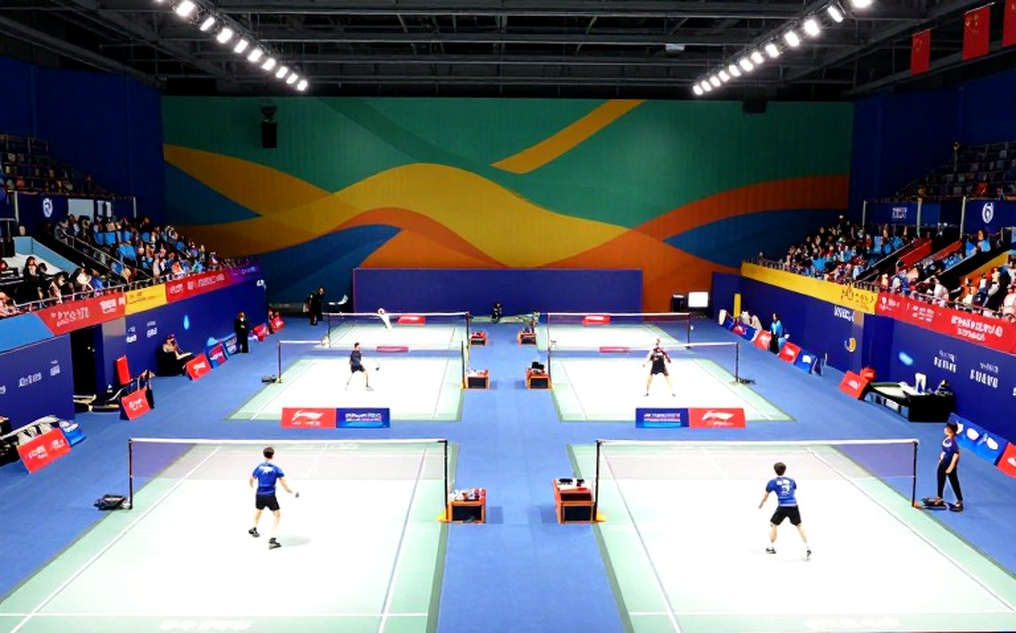
India's entry spread is also notable. Young players appear alongside veteran names across all five disciplines. That signals a transition cycle after Paris 2026, heading toward Los Angeles 2028, a strategic choice rather than pure medal maximization.
From my match-watching sessions, a recurring rule emerges: underrated draws tend to produce the most unpredictable results, because pressure flows toward the favourites. This year's draw in Aichi-Nagoya carries exactly that signature.
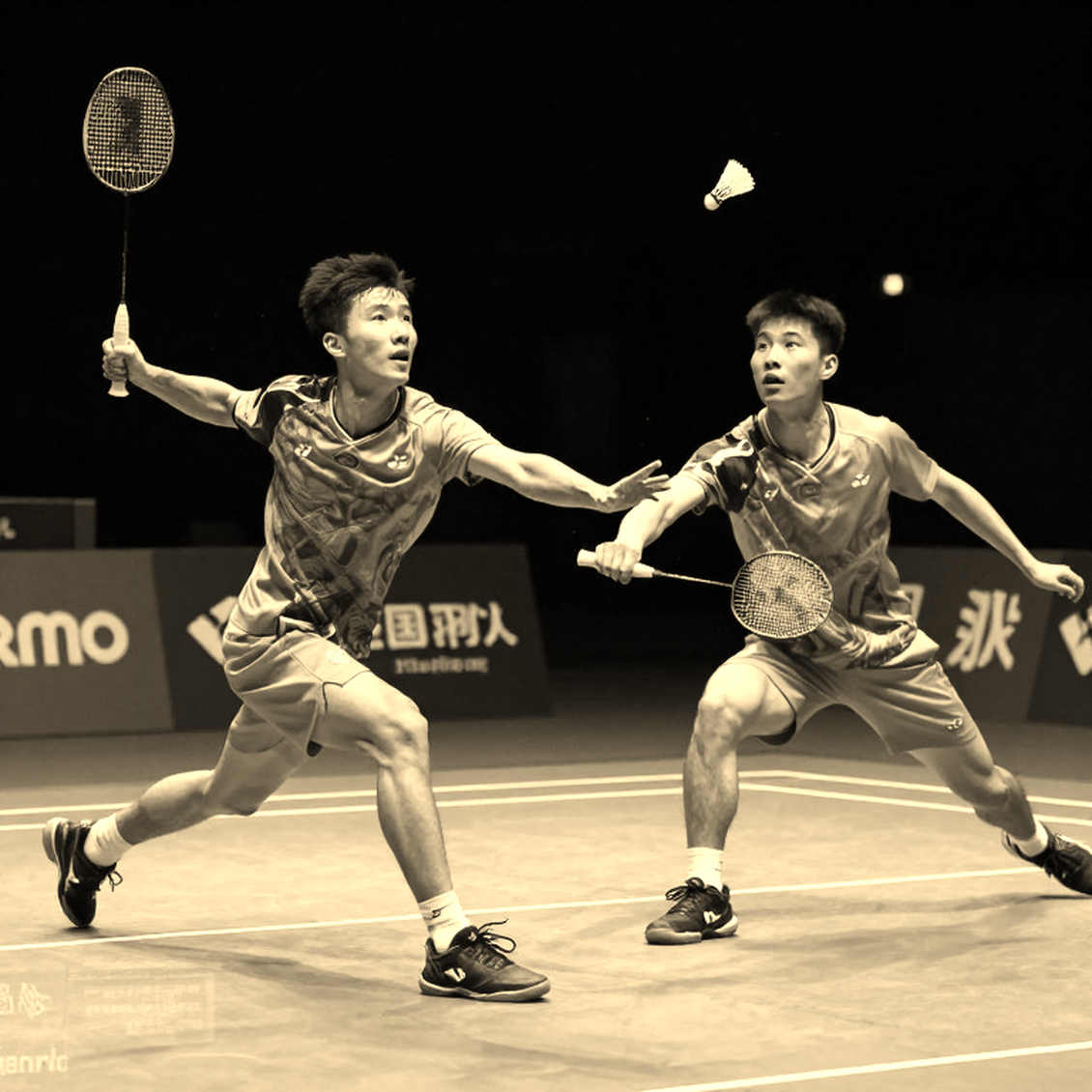
That hurdle step is not in the technical manual; it lies between two breaths. Between a draw sheet and a real match, the distance is always measured by details the whole arena overlooks.
In 2026, I dug through 500 matches within four walls, because the pitch was closed. In 2026, in Aichi-Nagoya, the arena is open, but the draw sheet is still just a sheet of paper.
On September 25, the first shuttle goes up. Every prior projection returns to its proper place: raw data waiting to be processed.