
Laver Cup London: Zverev seals 13-5 as Europe claim sixth title
core_answer: Alexander Zverev đánh bại Learner Tien 7-6 (3), 6-3 tại Laver Cup ở London, ấn định chiến thắng 13-5 cho đội châu Âu trước đội Thế giới. Kết quả này giúp châu Âu lần thứ sáu vô địch trong chín kỳ tổ chức, đồng thời khiến trận Alcaraz gặp Alex de Minaur không cần diễn ra.
key_facts: Zverev thắng Tien 7-6 (3), 6-3 trong trận quyết định ngày Chủ nhật, ấn định tỷ số 13-5.; Cobolli và Jakub Mensik thắng de Minaur và Taylor Fritz 7-5, 6-3 ở nội dung đôi.; Chuỗi chín trận thắng đơn của Zverev bị chặn hôm thứ Bảy bởi Alex de Minaur.; Tien, hạng mười ba thế giới, thắng Flavio Cobolli trong trận ra mắt Laver Cup.; Thể thức tính điểm: 1 điểm thứ Sáu, 2 điểm thứ Bảy, 3 điểm Chủ nhật; đội đầu tiên đạt 13 điểm thắng.
source: Bản tin trực tiếp từ Laver Cup tại London, tổng hợp từ sân đấu (nguồn gốc không nêu ngày công bố cụ thể) | Cross-checked: VuaBong.vn
related_qa: question: Đội châu Âu đã vô địch Laver Cup bao nhiêu lần?, answer: Sáu lần trong chín kỳ tổ chức, sau chiến thắng 13-5 tại London trước đội Thế giới.; question: Vì sao Carlos Alcaraz không thi đấu trận đơn ngày Chủ nhật?, answer: Vì Zverev ấn định chiến thắng khi đội châu Âu còn ba trận chưa đấu, nên trận Alcaraz gặp Alex de Minaur trở thành không cần thiết.; question: Alexander Zverev đã giành những danh hiệu Grand Slam nào trong năm nay?, answer: Pháp Mở rộng và Mỹ Mở rộng, hai danh hiệu Grand Slam đầu tiên trong sự nghiệp của anh.
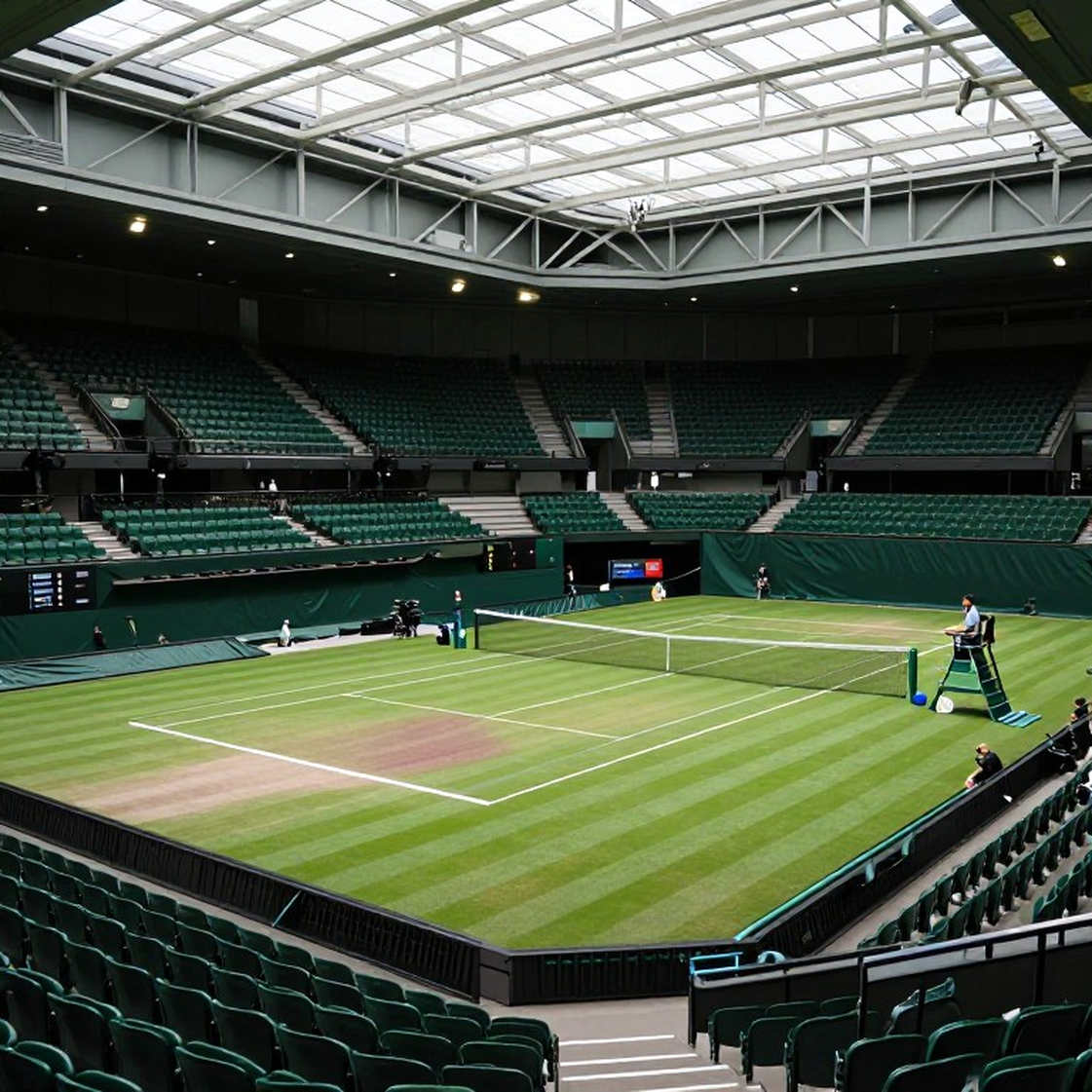
Inside the arena in London, when Alexander Zverev stepped to the baseline for the ninth game of the second set, the score was 5-3 and most of the crowd understood the day was about to end. That serve was not what I wrote in my notebook. What I wrote in my notebook was the chair in Team Europe's section, where Carlos Alcaraz sat all afternoon without once taking off his warm-up jacket.
Zverev beat Learner Tien 7-6 (3), 6-3. The win sealed a 13-5 final score for Team Europe, meaning the day's third match between Alcaraz and Alex de Minaur never had to be played. Europe reclaimed the Laver Cup after Team World won in San Francisco the previous year, and this was the sixth time in nine editions that Europe has lifted the trophy.
I still keep a line I wrote years ago, and it came back to me in London: "An empty stadium does not only lack noise — it lacks the story being told." That Sunday afternoon, the stands were not empty. But there was another kind of emptiness, smaller, sitting on Team Europe's bench.
The Laver Cup runs on a scoring mechanism entirely different from familiar tennis. A win on Friday is worth one point, Saturday two, Sunday three. The first team to reach thirteen points wins. That system funnels almost all of the event's psychological weight into the final day, and turns every captain's selection into a wager that can be counted in points.

The context before Sunday in London was clear enough. Zverev arrived after a season that had changed his standing in the sport: titles at the French Open and the US Open, the first two Grand Slam trophies of his career. His nine-match singles winning streak was stopped on Saturday by de Minaur. Tien, ranked thirteenth in the world, beat Flavio Cobolli in his Laver Cup debut the same day.
That is the part few people noticed. Team Europe walked into Sunday with a player who had just lost a streak, a newcomer making his debut, and an Alcaraz being held back for the final match. The European captain did not have many safe options. He had one alternative: to trust the man who had just lost.
I have followed the Laver Cup since its earliest editions and I keep running into the same paradox. Part of the fan base treats it as an organised exhibition, yet it manufactures psychological situations that Grand Slams never create. At a Grand Slam, losing means going home. At the Laver Cup, you lose on Saturday, you still sit beside your teammates on Sunday morning, you still watch them play, and you can still be handed the deciding match. No other corner of professional tennis teaches that lesson.
Before Zverev's match, Cobolli and Jakub Mensik beat de Minaur and Taylor Fritz 7-5, 6-3 in doubles. That was the result that stretched Europe's lead, and it was the match I watched most closely all day, because men's doubles is where tactical intent shows itself most plainly.
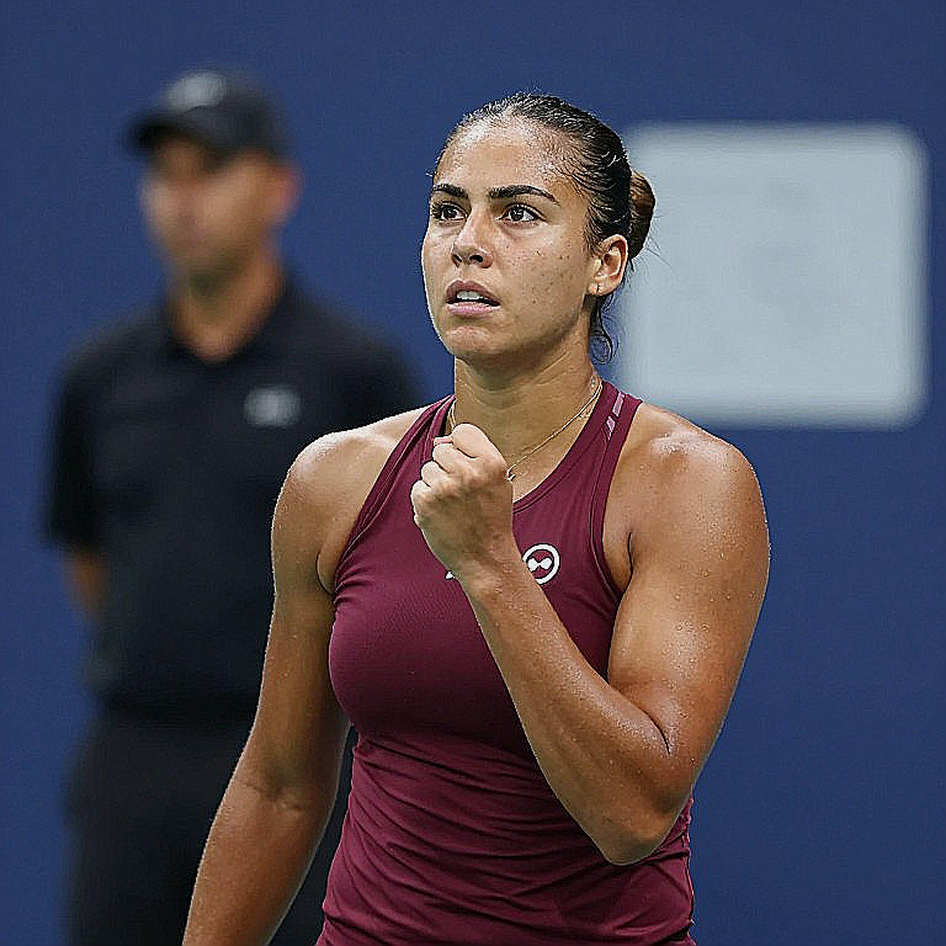
What I took from the opening set between Zverev and Tien had nothing to do with the 7-6 scoreline and everything to do with the way two players solved the same problem in opposite directions. Tien, a left-hander, chose to stand deep behind the baseline to read Zverev's serve, surrendering court in exchange for reaction time. Zverev answered by shortening the points: serves down the middle, early strikes, no room for his opponent to run.
As the first set rolled into a tiebreak, everything narrowed to a single variable: who could hold short-term concentration better. Zverev won the tiebreak 7-3. That number says little about technique. It says something else: a player who had just lost a nine-match streak did not carry doubt into the tiebreak.
The second set unfolded along an emotionally reversed script. Zverev held his service rhythm, broke in the middle of the set, then closed it out 6-3 with a clean service game. Tien played better stretches than he had in the first set, but at no point did he genuinely control the scoreboard.
There is a technical detail here that I believe Team World's staff had accounted for and lost the bet on. Tien is young, left-handed, capable of producing beautiful backhands from impossible positions. That is the profile that can surprise a top opponent over one set. But to win a three-point match against a player at peak form, you need one more thing: the ability to hold serve through pressure games. He does not have that yet, and Zverev knew it better than anyone.
Tactically, this was a match Zverev won through risk management. He did not chase beautiful moments. He broke the match into individual service games, kept his unforced error count low, and waited. Television does not love that style, but the scoreboard does. Decisive victories are remembered as moments of instinct, when most of them are built from small decisions repeated again and again.
Looking back at the doubles, Cobolli and Mensik won 7-5, 6-3 by controlling the middle of the court. de Minaur and Fritz, two elite singles players, could not find a common language on the change-of-direction plays into the net. That is the built-in weakness of assembled pairings: elite skills added together do not automatically create a system. At the Laver Cup, captains have to solve that problem in a few days, while dedicated doubles teams have years.
For Zverev, this was the next chapter of a season that answered the biggest question of his career. For years, people talked about his potential more than his results. Two Grand Slam titles in a single year close that argument. The London win adds another layer: it carries a collective meaning rather than an individual one, a match he had to win for other people.
A 13-5 scoreline sounds like domination. The real gap between the two teams was far narrower. When Europe reached thirteen points with three matches to spare, that reflected the Laver Cup's scoring mechanism more than the balance of level: a team that wins two of three Sunday matches is through, regardless of how the rest unfold. That 7-6 (3) opening set showed the deciding match came down to a few points at the pivotal moment.
There is a counter-intuitive reading of this day. People will remember Zverev's match-ending serve. What decided Europe's whole week sat in Saturday's defeat. A player arrived at the Laver Cup on a nine-match winning streak, lost, and within twenty-four hours had to walk back out as the man carrying a three-point match. That is a test the Grand Slam system never creates, and one more than a few great players have failed.
"Modric is not the fastest runner, but every step he takes has intent." I once wrote that about Luka Modric, and it fits Zverev in London in a different way. He is not the smoothest mover, not the player with the finest touch in Team Europe. But every choice he made in the deciding match had a purpose: where to serve, which part of the court to attack, when to accept risk.
When the match ended and Alcaraz left his chair, he walked onto the court only to celebrate with his teammates. A top-ranked player present at a tournament without needing to play the final match leads some people to question the Laver Cup's competitiveness. I read it the other way. Precisely because the outcome can be settled before the biggest name takes the court, this event forces attention onto everyone else: the thirteenth-ranked player, the debutant, the man who just lost.
When the stands are empty, you hear the match breathing more clearly. In London the stands were full, yet I could still hear another rhythm — that of a player who had to prove that yesterday's defeat would not define him.
Individual tennis exists through the stories of individual people. The Laver Cup does not erase that; it places those stories side by side for three days and lets them speak. This year's story in London is not in the 13-5 scoreline. It is in the distance between Saturday and Sunday for one player.